
Sweet Spot
The Greatest Show on Earth

The morning after, in 1998, I was faking it.
I had stayed up late to watch the final with my father. I knew all the boys in school would be talking about the match. Football had dominated classroom chatter all month. I cared little about the sport and knew less about the rules. I had caught snatches of the tournament, when my father put on a game at dinnertime. Sometimes, he would tell me stories about the countries duelling on the pitch. About the glorious history of Brazil, or the famed steel of (West) Germany. I’d nod along with mild interest. Football, to me, was like bhindi. I did not mind an occasional serving, but there was no way I could stomach it every day. I just didn’t see the appeal.
And yet, even as I stayed at the periphery of the buzz, I tried to buy into the excitement. The adolescent need to fit in, to participate in popular discussions, was overwhelming. The final match of the World Cup promised to be the climatic moment of the frenzy that had gripped my friends. I had to watch the match to be part of the gang. I couldn’t risk becoming an outcast.
The following morning all conversation centred around Ronaldo. How dazed he’d looked and how listless he’d been. Before that final, I had never seen Ronaldo play — this, however, did not stop me from holding forth on the topic. ‘That was not the real Ronaldo out there. Ronaldo is renowned for his “Banana Kick”. He can strike the ball in a way where it curves past the goalkeeper every time.’ I drew an arc with my palm to illustrate this, as if I had watched hundreds of hours of footage to gain this insight. ‘He did not do the Banana Kick even once last night. France was lucky the real Ronaldo didn’t turn up.’
My analysis focussed on Ronaldo because: (a) rumours of his ill health had started spreading soon after the final, and (b) of the twenty-two players who started the game that night, his was the only name I knew. Some of my friends were singing praises of the Zidane guy, the one who scored two goals. I did not share their enthusiasm. How good a footballer could a bald fellow really be? Besides, these debates didn’t matter anymore. The tournament was over. World Cup fever in school would soon fade, I thought, and I could return to being blissfully unaware of football.
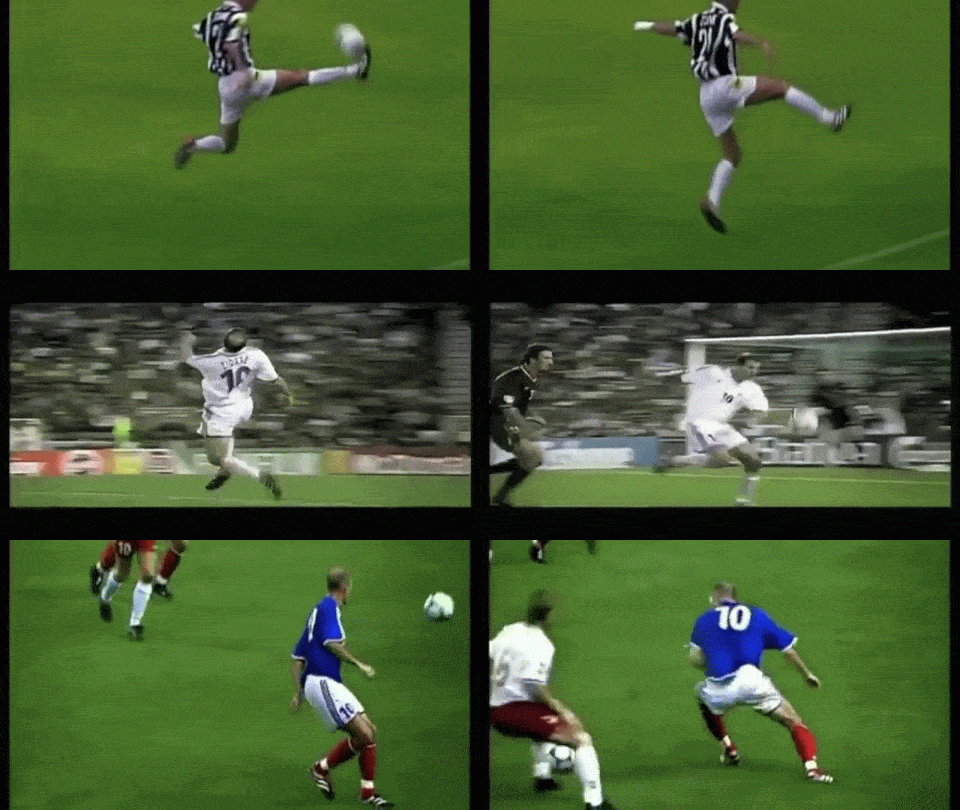
Last week, Paul Howard opened a lovely, sepia-toned essay with this paragraph:
Someone told me once that the best World Cup you ever saw was the one you watched when you were 11 years old. Give or take a year or two either side, of course. The appreciation sweet spot is right at the beginning of adolescence, when you’re old enough to appreciate the magic of it, but young enough not to understand cynicism.
He is four years off the mark — in my case, at least — but he may be on to something.
The two most recent editions of the World Cup struggled to escape the long shadow cast by the host countries. Russia’s poor human rights record was a regular refrain in the reporting of the 2018 World Cup. When the trophy travelled to Qatar in 2022, the spotlight turned to the inhuman working conditions and migrant labourer deaths that underpinned the event. This year, the World Cup is being co-hosted by a country that is waging war on a participating nation; a country whose leader has often derided one of the co-hosts and considered annexing the other. For such sterling conduct, this leader has received the “FIFA Peace Prize – Football Unites the World” shortly after moaning about being overlooked by the Nobel Committee — thus making him the patron saint of tantrum-throwing toddlers worldwide.
It has rarely been harder to keep the cynicism at bay.
Sport cannot be divorced from politics, and international competitions goad us into patriotic chest-thumping. George Orwell called this the “…lunatic modern habit of identifying oneself with large power units…”, which tells you how much he enjoyed his visits to Wembley. He also wrote that competitive sport was “…bound up with hatred, jealousy, boastfulness, disregard of all rules and sadistic pleasure in witnessing violence…”. Not a person brimming with the sporting spirit, our Mr. Orwell, but you see his point.
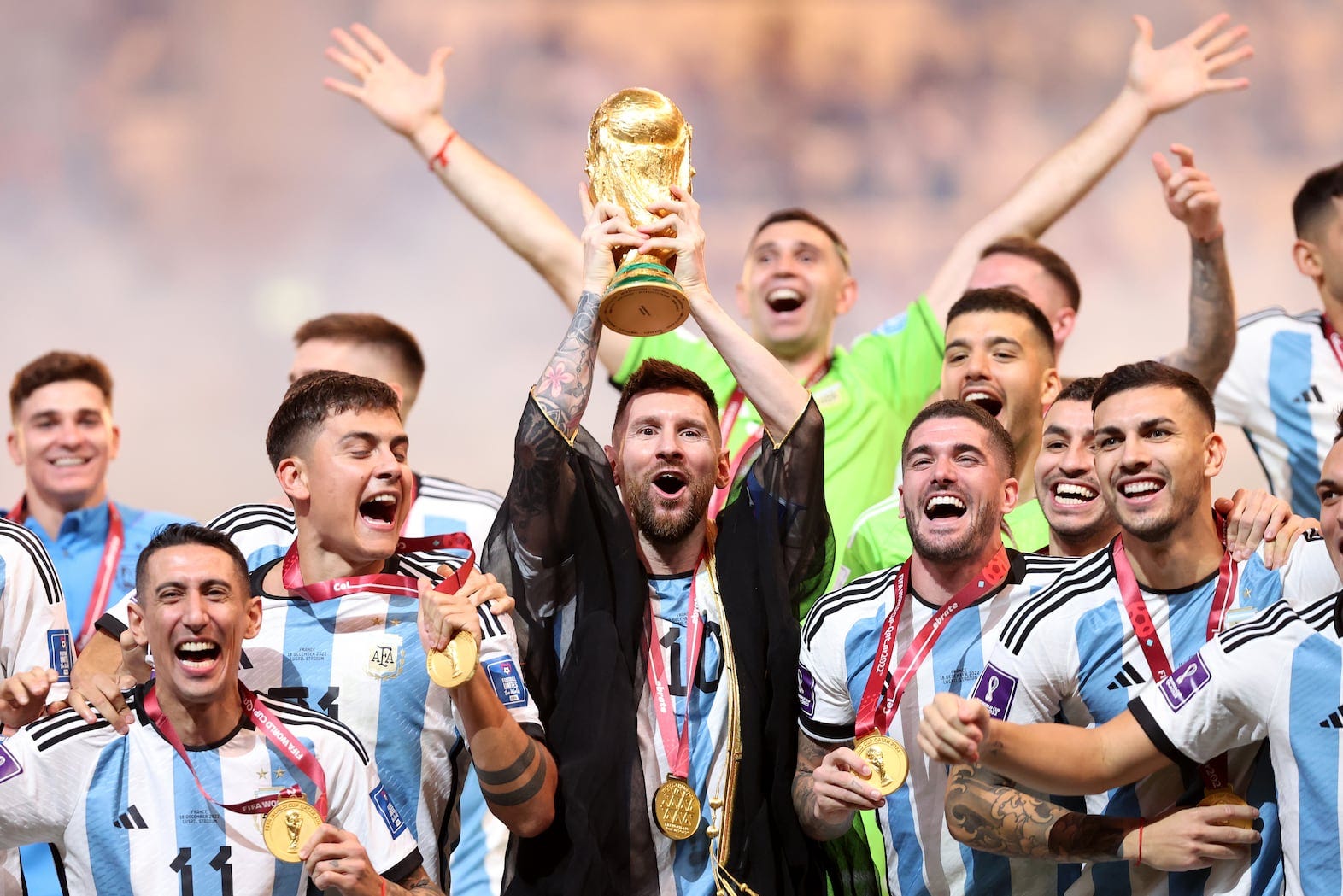
None of this is to say I’ll be boycotting this World Cup. I watched in disbelief when Mbappe lit a fuse in Russia, his limbs whirling in the way that used to make Wile E. Coyote’s eyeballs pop out. When Messi lifted the tropy at Qatar, wearing a negligee, half a dozen of us hopped infront of a television screen as if the room had become a bouncy castle.
This year, too, when I miss a few matches it will not be on account of a moral stand — it will be because of something far more crucial, something I can never compromise on: my bedtime. But when the knockout stages roll around, I will sacrifice sleep. World Cup football is still irresistible. The millions of fans who travel halfway across the world, or pay for a bloody Zee5 subscription they will never use again, are not ignorant. They have simply made peace with the dissonant idea of a corrupt organization running the beautiful sport. They have grown accustomed to grimacing about the unsavoury operating details — the extractive ticket pricing policy, say, or the travel bans and visa rejections —even as they scan the schedule for must-watch games.
But as Paul Howard notes, it was not always like this. There was a time when you sat inside the “appreciation sweet spot”. When you could immerse yourself in the magic of the World Cup without being troubled by the off-pitch skulduggery. And odds are that even decades later, your memories of that tournament — your best World Cup — still shine as bright.
In the hours leading up to the opening game in 2002, when defending champions France would take on their erstwhile colony Senegal, I was distraught. It was the middle of the summer vacations, and like every year we were spending it with my grandparents. I loved their house and the mofussil town in Bihar where they lived, but I did not love the frequent power cuts and patchy cable TV.
If I was agnostic in 1998, by 2002 I was a zealot. A computer game had flipped the switch and years before Dani Rojas stole my line, I swore that football was life. I was ready, desperate even, for my first proper World Cup. But watching the curtain raiser was no simple matter. First, I had to pray the electricity department wouldn’t drop the ball. Second, the limited satellite channels meant Doordarshan was my only hope. The national broadcaster had wrangled the rights for a delayed telecast, close to midnight. This was the hour when the household slept and cockroaches reigned supreme. Not the normal floor-bound ones, mind you — I am talking about the fuckers that could fly. Heathen creatures that would swoop out of the dark to make your heart stop.
But the prize was worth the risk. And so, late at night, I tiptoed to the TV room — a slipper clutched tight to ward off aerial assaults — and watched Papa Bouba Diop kick the ball into an empty net, as he lay sprawled on the floor, to score the most iconic goal in Senegal’s history.
Friends, it is time I made a shameful admission. Let me just come out and say it: In 2002, I supported England.
Yes, yes, I know. I am sorry. I was young and foolish. I realize now that my lack of footballing heritage was to blame for this misadventure. When I was a child, all respectable Bengalis, who had been brought up the right way, had a binary choice in the matter of World Cup fandom. The moment little Bubai or Bubun kicked a ball for the first time, they were expected to pledge their souls to either Brazil or Argentina. The decision was not voluntary. It was an inheritance, handed down over generations and shaped by their surroundings. The allegiances of their families and the elders in their para determined their colours. And when they helped hang the white-and-blue or green-and-yellow flag above the local clubhouse, they became part of a dynasty.
It was the disreputable folk like me, the ones who took to football later in life, that strayed from this duopoly. My father had a passing interest in the sport but never felt any passion for it. I developed my mania all by myself, feeding on the TV coverage of the Premier League at the turn of the century. So, while my friends relied on their lineage and declared for one of the Latin American behemoths, I, the nouveau riche fan, picked England. Two seasons of following the English league made them the natural candidate — though even at the time, I had some misgivings.
Was supporting the England football team an act of treason? Was I betraying my country and our history? Feeling a twinge of guilt, I asked myself the question that helps guide every honourable Bengali on the horns of a dilemma: What would Netaji do? And I had to admit it was difficult to imagine Commander Bose cooing over the prospect of Paul Scholes threading a pass to Michael Owen. Perhaps it was unseemly for an Indian to root for the British? But then, I would watch David Beckham whip a free kick into the top corner and my loyalties would waver. That right boot, that face, that hair — how could I resist their charm?
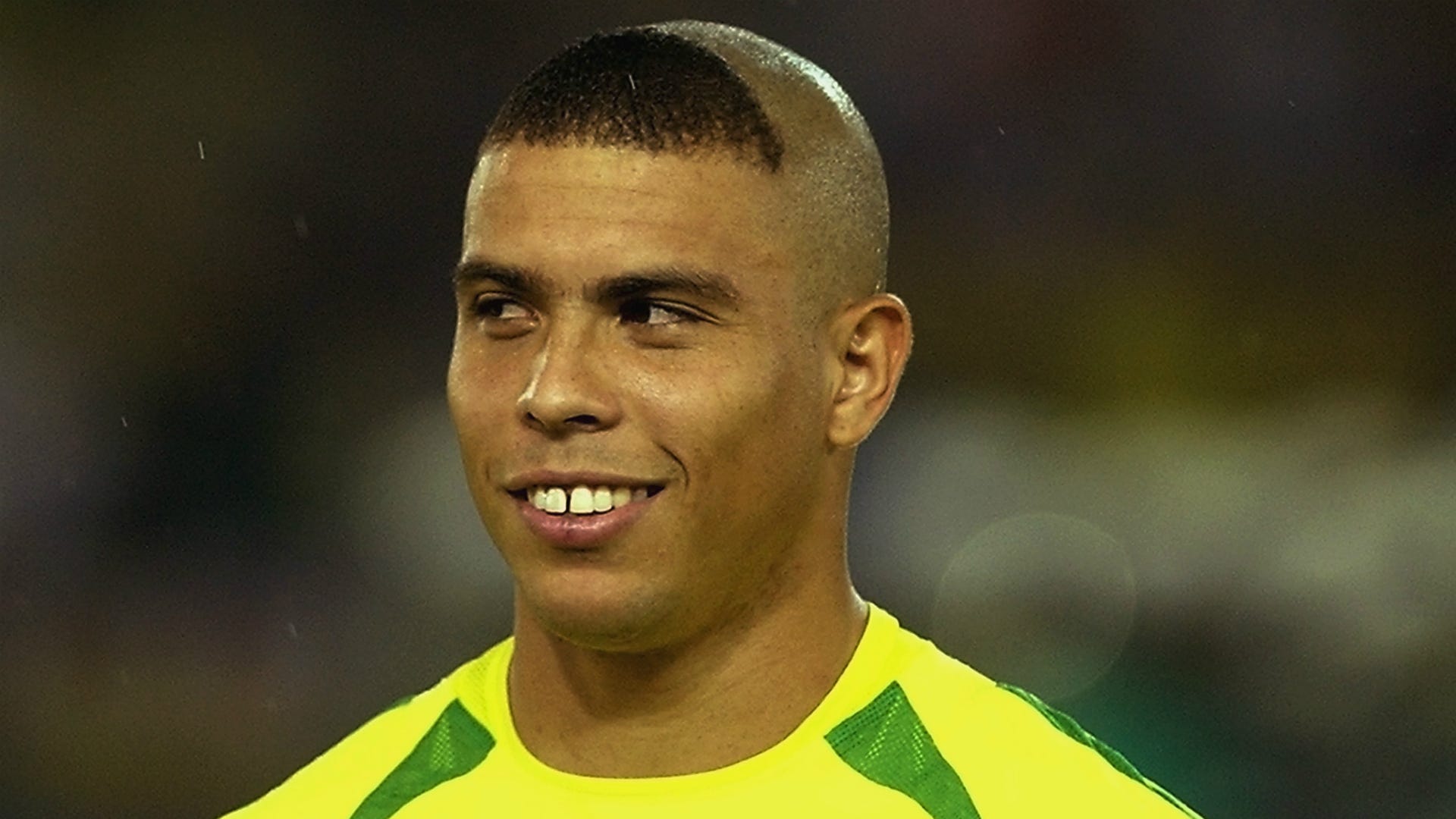
As it turned out, my moral angst was laid to rest in the quarter-finals. Ronaldinho floated the ball over the six-foot-four-inch frame of David Seaman from over thirty-five yards, and I was liberated. I could enjoy the rest of the World Cup, free from favouritism and ethical quandaries. I could watch a raucous home crowd, and a fair bit of luck, carry South Korea into the semi-finals. I got to admire the speed and outrageous abilities of of Hasan Şaş and El Hadji Diouf. I could feel sorry for the cherubic Joaquín, who played out of his skin only to miss a penalty in the shootout. And I could marvel at the confidence of the elite athlete — for only the very best possess the self-assurance to play (and score) in a World Cup final while sporting a haircut that can only be described as Pubes on a Forehead™.
There will be moments during the current edition that fans will remember for years. Perhaps Cape Verde will stage an upset. Perhaps Mexico will let the brass bands and heaving Estadio Azteca stands carry them deep into the tournament. There will be magic, as there always is during a World Cup. But now, over two decades since that time in the sweet spot, we have learnt to see that magic is not the only thing on display.
Only through the first paragraph so far. How dare you diss bhindi fam?
Couldn't stop laughing at Messi in a 'negligee'. So effortless your writing seems! That came out of nowhere.